
Italy 1870-1952
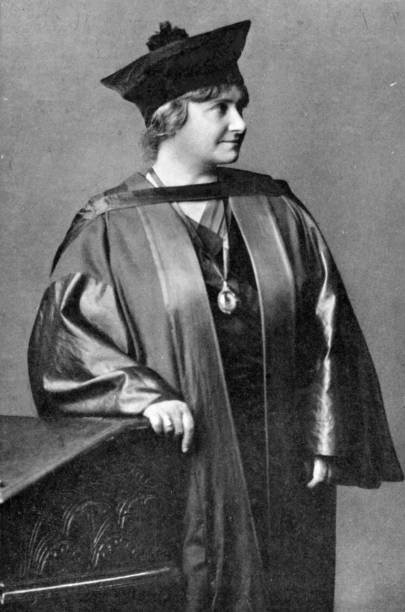
Maria Montessori was an Italian physician, educator, and innovator who developed the Montessori Method, an educational approach that emphasizes child-centered learning, independence, and hands-on exploration. Her method, which remains influential worldwide, revolutionized early childhood education.
Montessori was one of the first women in Italy to receive a medical degree, and she initially worked with children with special needs. Her observations led her to understand that children learn best in environments that encourage curiosity, self-directed learning, and respect for individual development. In 1907, she opened the first Casa dei Bambini (Children’s House) in a poor district of Rome, where she implemented her educational principles. The success of this school attracted widespread attention and led to the global spread of the Montessori Method.
Her approach is based on the belief that children are naturally eager to learn and capable of much more than traditional education systems tend to recognize. The Montessori Method uses a carefully prepared environment with age-appropriate materials, where children are encouraged to engage in activities that foster their cognitive, emotional, and social development. Teachers in Montessori schools act as guides rather than traditional instructors, observing children and offering support when necessary, but ultimately allowing them to take charge of their own learning.
Montessori’s influence extended beyond education into psychology, child development, and social reform, and her ideas have had a lasting impact on educational systems around the world. Her legacy is marked by a global network of Montessori schools, which continue to thrive today, applying her principles to promote holistic, self-driven education.
Montessori’s influence extended beyond education into psychology, child development, and social reform, and her ideas have had a lasting impact on educational systems around the world. Her legacy is marked by a global network of Montessori schools, which continue to thrive today, applying her principles to promote holistic, self-driven education.
Key principles of the Montessori Method include:
- Respect for the child: Understanding the child’s autonomy and unique developmental path.
- Prepared environment: A classroom designed to support self-directed learning with accessible materials.
- Mixed-age groups: Encouraging children to learn from each other, fostering collaboration and leadership.
- Freedom within limits: Allowing children to choose their activities and pace, but within structured boundaries that ensure respect for others and the environment.
Montessori’s work remains one of the most respected and widely used educational philosophies, impacting schools, families, and education systems worldwide.

What is The Montessori Method?
Proponents of the Montessori method believe that education should be child-centered and focused on fostering independence, creativity, and self-directed learning. The key beliefs of the Montessori approach include:
- Respect for the Child: Montessori advocates emphasize the importance of respecting each child’s individual pace and learning style. They believe that children should be treated with dignity, allowing them to take ownership of their learning journey.
- Learning through Discovery: Montessori emphasizes hands-on, experiential learning. Proponents believe that children learn best when they engage directly with materials and activities that promote problem-solving, exploration, and critical thinking.
- Prepared Environment: The learning environment is designed to be orderly, engaging, and accessible. Proponents believe that a well-organized space encourages autonomy and exploration. Materials are often specially designed to be self-correcting, allowing children to learn from their mistakes independently.
- Intrinsic Motivation: Montessori educators believe in nurturing a child’s internal motivation to learn rather than relying on rewards or punishments. They focus on encouraging a love for learning and personal achievement.
- Mixed-Age Groups: Montessori classrooms typically consist of children from a range of ages. Proponents believe that this allows younger children to learn from older peers, while older children reinforce their knowledge by helping and mentoring younger ones.
- Holistic Development: The method emphasizes the development of the whole child—intellectual, social, emotional, and physical. It aims to cultivate well-rounded individuals who are not only academically competent but also capable of critical thinking, empathy, and problem-solving.
- Freedom within Limits: While children are given freedom to choose their activities, it is within a structured environment that maintains clear boundaries and expectations. Proponents believe this balance helps children develop self-discipline and responsibility.
- Focus on Life Skills: In Montessori settings, there is a strong focus on practical life skills such as cooking, cleaning, and organizing. Proponents believe that learning these skills promotes independence and confidence.
In essence, the Montessori method is centered on the belief that children thrive in environments that respect their natural development and allow them to become active participants in their own education.
Intelligent Child’s Room Design
Dr. Maria Montessori (Personal History & Philosophy)
What The Research says…
The Montessori method, developed by Dr. Maria Montessori, is an educational approach that emphasizes self-directed learning (so children can follow their own interests, and build experience and confidence), hands-on activities, and collaborative play. Research into the effectiveness of the Montessori method has grown in recent years, with several studies showing evidence-based benefits across various developmental and educational domains. Some of the key advantages of The Montessori method supported by evidence are:
1. Cognitive and Academic Development
- Improved Academic Achievement: Studies have shown that Montessori students often perform better than their peers in traditional school settings, particularly in subjects like reading, math, and science. A study published in Science (2017) found that Montessori students in kindergarten outperformed their peers in both academic and social skills.
- Critical Thinking Skills: Montessori education encourages problem-solving, exploration, and independent thinking. Research indicates that Montessori students tend to develop stronger executive function skills (such as planning, reasoning, and decision-making) due to the emphasis on self-directed learning and exploration. These skills are crucial for academic success and lifelong learning.
2. Social-Emotional Development
- Enhanced Social Skills: Montessori classrooms promote mixed-age learning, which has been shown to support peer collaboration, empathy, and communication skills. Younger students learn from older students, while older students take on mentoring roles. This creates a community atmosphere where children practice social behaviors such as sharing, cooperation, and conflict resolution.
- Increased Emotional Regulation: Montessori methods help children develop self-discipline through autonomy. Research suggests that the structured yet flexible environment helps children learn to regulate their emotions, as they are given the freedom to make choices within boundaries and work at their own pace. Studies have shown that Montessori children exhibit greater self-control and emotional intelligence than their peers in traditional settings.
3. Motivation and Engagement
- Intrinsic Motivation: Montessori education is grounded in the principle that children learn best when they are intrinsically motivated. The emphasis on choice and autonomy leads to higher engagement and sustained interest in learning. Evidence supports the idea that Montessori students are more likely to develop a love for learning and are better able to focus on tasks without external rewards or incentives.
- Greater Engagement in Learning: Research has demonstrated that Montessori students tend to spend more time on tasks that interest them and are more engaged in the learning process. This leads to deeper, more meaningful learning experiences, compared to students in traditional settings who may be more focused on completing tasks or meeting external expectations.
4. Long-Term Outcomes
- Higher Rates of College and Career Success: A study published in Frontiers in Psychology (2018) found that individuals who had attended Montessori schools reported greater satisfaction with their careers and had a higher sense of personal agency, suggesting that the skills learned in Montessori environments support long-term success.
- Better Problem-Solving and Creativity: Montessori graduates have been shown to excel in creative thinking and problem-solving. These children are often more adaptable to change and able to approach problems with an open, innovative mindset. Studies in the field of creativity support this by showing that Montessori education fosters divergent thinking and innovation.
5. Physical and Motor Development
- Development of Fine and Gross Motor Skills: The Montessori method uses hands-on learning materials, which encourage physical manipulation and movement. This has been shown to support the development of both fine and gross motor skills. Studies have demonstrated that children who engage with Montessori materials, such as puzzles, blocks, and tools, show improved hand-eye coordination and spatial awareness.
6. Behavioral Development
- Decreased Behavioral Problems: Montessori classrooms, with their focus on respect, self-discipline, and freedom within limits, have been associated with fewer behavioral issues. A study published in The Journal of Montessori Research found that Montessori children exhibited fewer conduct problems and demonstrated better social and behavioral adjustment compared to peers in traditional settings.
- Self-Regulation: Montessori education encourages children to take responsibility for their learning and behavior. This focus on self-regulation has been shown to reduce impulsive behavior and increase self-control, contributing to more positive interactions with peers and teachers.
7. Lifelong Learning and Independence
- Promotes Lifelong Learning: The Montessori approach fosters a mindset of curiosity and continuous learning. Research shows that Montessori students tend to exhibit a greater willingness to take on challenges and learn independently as they grow older.
- Independence and Autonomy: By allowing children to make choices, solve problems, and manage their time, the Montessori method fosters independence. Studies have shown that Montessori students demonstrate greater self-sufficiency and are more likely to take responsibility for their own learning, which carries into adulthood.
8. Cultural and Global Awareness
- Fostering Global Awareness: Montessori education places a strong emphasis on teaching children about the world, culture, and diversity. Through activities, books, and discussions, Montessori students are often exposed to different cultures and perspectives, promoting a global mindset. Research suggests that this early exposure to diverse ideas helps cultivate tolerance and understanding.
Key Studies and Reviews Supporting the Benefits of Montessori:
- The 2017 Study in Science: A longitudinal study by Angeline Lillard and colleagues compared Montessori and non-Montessori students. It found that Montessori students had higher achievement in reading and math, as well as stronger social and executive function skills.
- The 2018 Study in Frontiers in Psychology: This study explored the long-term outcomes of Montessori education and found that adults who had attended Montessori schools reported higher levels of well-being, greater career satisfaction, and better problem-solving skills.
- A Meta-Analysis (2016) by Lillard and Else-Quest: This comprehensive analysis of Montessori research found that Montessori students typically performed better on academic achievement tests and demonstrated stronger social and emotional development compared to children in traditional educational settings.
Conclusion
The Montessori method has a robust body of evidence supporting its positive effects on a wide range of developmental areas, including cognitive, social, emotional, and behavioral outcomes. By promoting autonomy, hands-on learning, and a respect for individual differences, the Montessori approach appears to help students develop skills that contribute to academic success, social competence, and lifelong learning. While it may not be the best fit for every child, the growing body of research highlights its potential to offer unique and significant benefits.
Leave a Reply